The myth of private, for-profit, healthcare insurance

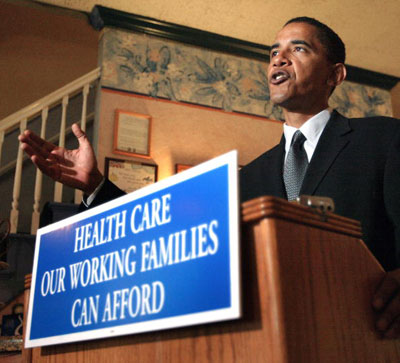
The great myth is that private, for-profit, healthcare insurance will somehow lead to greater efficiencies and better service in the healthcare field. The same individuals who argue these points are also the ones who usually posit the self-interested nature of individuals. However, if forgoing profit for the sake of bettering someone's health is not in a company's best interest, why does it follow that the said company will offer the suffering person appropriate healthcare insurance coverage? It doesn't of course, and we are left with one side of the healthcare insurance debate arguing behind an ideological brick-wall while the other side argues from logic and facts (No, Fox News does not count). Even some of the most ideologically opposed to public healthcare insurance will admit that Medicare has been a successful government-run program. But, they'll argue, it could be more efficiently run if it were privatized. One need only listen to a handful of the outrageous stories regarding private health insurance companies denying needy individuals appropriate healthcare coverage in some of their most trying times to understand just how "efficient" private healthcare insurance can be. What, really, is the difference, anyways, between a highly centralized public form of healthcare insurance and a highly centralized form of private healthcare insurance? The biggest difference is that the former is not concerned with turning a profit and can, therefore, cover the expensive healthcare costs of sick individuals without fear of market backlash or shareholder angst. Not everything in this world can or should be privatized because not everything in this world is more efficient or effective when privatized. Healthcare insurance is one of those exemptions.

The great myth is that private, for-profit, healthcare insurance will somehow lead to greater efficiencies and better service in the healthcare field. The same individuals who argue these points are also the ones who usually posit the self-interested nature of individuals. However, if forgoing profit for the sake of bettering someone’s health is not in a company’s best interest, why does it follow that the said company will offer the suffering person appropriate healthcare insurance coverage?

It doesn’t of course, and we are left with one side of the healthcare insurance debate arguing behind an ideological brick-wall while the other side argues from logic and facts (No, Fox News does not count). Even some of the most ideologically opposed to public healthcare insurance will admit that Medicare has been a successful government-run program. But, they’ll argue, it could be more efficiently run if it were privatized.

One need only listen to a handful of the outrageous stories regarding private health insurance companies denying needy individuals appropriate healthcare coverage in some of their most trying times to understand just how “efficient” private healthcare insurance can be.

What, really, is the difference, anyways, between a highly centralized public form of healthcare insurance and a highly centralized form of private healthcare insurance? The biggest difference is that the former is not concerned with turning a profit and can, therefore, cover the expensive healthcare costs of sick individuals without fear of market backlash or shareholder angst.  

Not everything in this world can or should be privatized because not everything in this world is more efficient or effective when privatized. Healthcare insurance is one of those exemptions.  
Related Posts

Weekly Substack

Join 4,500+ other readers in never missing a story on Virginia politics; get our free weekly news roundup straight to your email every Sunday evening.

Subscribe

Breaking News Substack

Join hundreds of other Blue Virginia readers in never missing breaking Virginia politics news. Sign up for our Breaking News Substack!

Subscribe
I have already registered