| Getting your Trinity Audio player ready... |
By Bridge2Blue contributor, Bill Robinson, veteran and resident of VA-2
In May 2026, Rep. Jen Kiggans (VA-2), following a meeting with Defense Secretary Pete Hegseth, highlighted what she called a substantive win: a reprieve from a five- to-ten-cent commissary surcharge on single-use bags—an “added cost,” she said, that complicates a benefit intended to support service members, retirees, and their families.
For many military households, small fees do add up. But are bag fees really what’s squeezing the budgets of families and veterans?
The attention Rep. Kiggans has applied to the bag-fee reprieve raises a broader question: What does true cost relief for families and veterans actually look like? The focus on bag fees overlooks the far larger financial burden affecting Virginians and veterans alike— rising out-of-pocket healthcare costs.
For many military households navigating the transition from active duty to retirement and civilian life, affordable healthcare is a key determinant of financial stability even for many veterans and military families who have some form of military or VA coverage.
Responsiveness to constituent concerns is an important part of a representative’s job. But the real test is a sustained focus on larger, more complicated pressures and addressing the structural decisions that drive them. One major driver of rising healthcare costs and premiums is federal funding cuts to Medicaid, the safety-net specifically designed to reduce medical and long-term out-of-pocket expenses for families, seniors, people with disabilities, and many veterans.
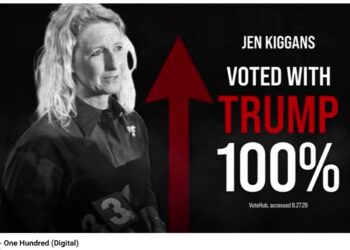
In 2025, Rep. Kiggans voted for the sweeping cuts to Medicaid in H.R. 1, helping to put many Virginians at risk of losing vital healthcare coverage and increasing cost pressures across the healthcare system. That vote has widespread implications for the roughly 700,000 veterans living in Virginia—particularly the approximately 47,000 who rely on Medicaid for their health security.
For older and disabled veterans who are “dual-eligible” for both Medicare and Medicaid, Medicaid often covers the costs that would otherwise fall directly on households: monthly premiums, deductibles, and long-term care, including nursing home services. Medicaid is also a critical lifeline for mental health and substance use disorder treatment, and it can fill gaps alongside other coverage, like TRICARE. When Medicaid is cut, thousands of Virginia veterans face higher out-of-pocket costs, delayed care, or going without—and as the full effect of these funding cuts hits in six months, the consequences will only deepen.
Making matters worse, Republicans allowed the enhanced ACA premium tax credits to expire in December 2025, exposing thousands of Virginia veterans to premium spikes. Rep. Kiggans backed a conditional extension that stalled in the Senate but later opposed the Democratic-led discharge petition for a three-year extension—leaving those premium increases in place.
If one of Rep. Kiggans’ stated goals is to reduce “added costs,” then protecting access to affordable healthcare should be central to that mission—not separate from it.
Affordability also depends on whether the systems designed to serve veterans actually work. The Department of Veterans Affairs is experiencing serious staffing and service-delivery problems. When staffing shortages drive longer wait times and reduced access, veterans pay the price in delayed care, delayed diagnoses, and preventable deterioration of health. These are costs measured in missed work, worsening conditions, and stress that spill over to families. As a member of the House Committee on Veterans’ Affairs, Rep. Kiggans has both a role and authority to press for oversight and improvements that directly affect staffing, access, and service delivery.
Meaningful representation requires taking on the hard issues—not supporting policies that intensify them. Military families and veterans deserve leaders who will listen and act. But what would make a real difference is leadership willing to fight for policies that materially improve people’s lives:ensuring affordable, accessible healthcare and reliable, effective veterans’ services.
A nickel waived is a welcome courtesy. Strengthening healthcare is leadership.



![Video: VA05 Democratic Nominee Tom Perriello Launches First TV Ad, “Targets Corruption and Rising Cost of [Rep. John McGuire (R-VA05)]](https://bluevirginia.us/wp-content/uploads/2026/09/perriellowallofcorruption-350x250.jpg)